
Culture by Neurodesign: Case studies
Case studies explores the tangible benefits and challenges of building cognitively inclusive cultures—the universal design for inclusion initiatives. Through evidence-based stories, real-world research, and practical examples, episodes in this theme demonstrate how taking inspiration from best practices in neurodivergence inclusion provides a blueprint for workplaces to thrive in any environment, whether stable or rapidly changing.
If you’d like to read about more outcomes of cognitive inclusion, please visit my curated reading list - Measurable results through cognitive inclusion – for more practical examples and strategies.
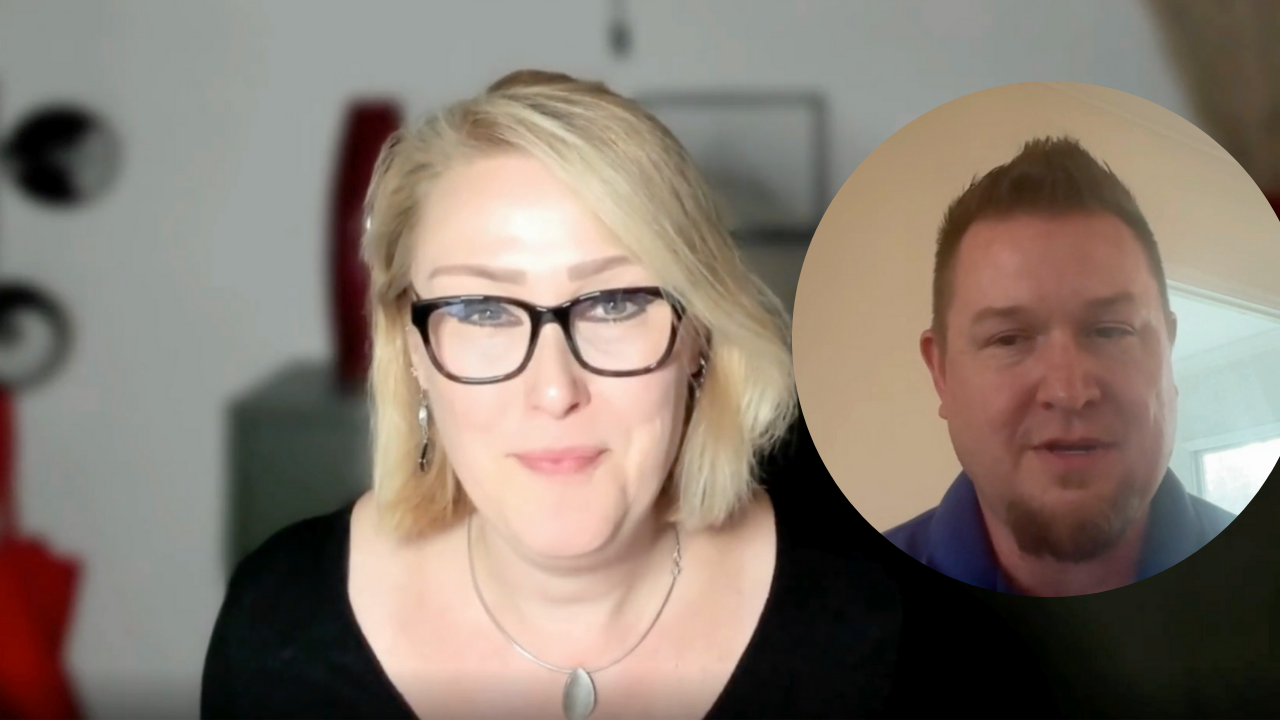
What does real autism inclusion at work actually look like? Will Savell spotlights two East Tennessee restaurants quietly leading the way. Without using buzzwords or formal programs, they model neuro-inclusive workplaces through clarity, consistency, and strengths-based design. From calm kitchens to flexible roles and emotionally safe leadership, these businesses show how everyday decisions can create lasting impact for employees, customers, and communities.

Defense and cybersecurity agencies like GCHQ and Unit 9900 recruit autistic and dyslexic talent for elite roles in visual thinking, pattern recognition, and anomaly detection. This episode explores why neurodivergent professionals are key to high performance, innovation, and cognitive diversity—no diagnosis required.

Autism-at-work programs from companies like SAP and Microsoft proved the business case for hiring neurodivergent talent—with dramatic gains in innovation, productivity, and retention. But as today's workforce evolves, these diagnosis-based programs no longer scale. In this blog, Dr. Lisa Colledge explores why the next chapter of neurodiversity inclusion in the workplace must go beyond formal programs. With over 50% of Gen Z identifying as neurodivergent, organizations must shift from compliance to culture—embedding cognitive inclusion, flexible design, and neuro-inclusive leadership into everyday team practices. Featuring insights from ASML, EY, and the FIT Framework (Fair, Intentional, Team-Minded), this post offers a blueprint for creating high-performing, neurodiverse teams—without needing diagnosis-based initiatives. Perfect for founders, team leads, and HR professionals ready to future-proof their teams through inclusive design and diverse thinking.

Strong product, happy customers, solid revenue—so why does your team feel off? Dr. Lisa Colledge explains how subtle “culture alarms” signal your team isn’t ready to scale with your growth. Ignoring these signs can lead to burnout and stalled progress. With small, evidence-based steps, you can realign energy, boost engagement, and build a culture that powers sustainable growth.

IBM and Polaroid faced the same disruption, but only one survived. This blog explores how IBM’s cultural shift toward collaboration across diverse thinking styles enabled its transformation, while Polaroid’s rigid, founder-led culture stifled innovation. The key lesson: culture isn’t just a vibe—it’s the infrastructure for resilience and long-term success in a fast-changing world.

Dr. Lisa Colledge shares a case study from Professor Laurent Mottron, whose research lab thrived by combining exploration and exploitation. Highlighting autistic team member Michelle Dawson's complementary contributions, the story shows how diverse cognitive styles enhance innovation. Discover how traits like attention to detail, pattern recognition, and analytical rigor in autists, combined with allistic strengths, drive impactful outcomes. Learn why fostering a cognitively inclusive culture, where everyone can thrive, is key to sustaining innovation.

Dr. Lisa Colledge examines the balance between cultural fit and cognitive diversity, featuring case studies from Originals and Polaroid’s downfall. Learn how fostering cognitive inclusion drives innovation, resilience, and adaptability, with actionable insights to future-proof your team.